

Best Wildlife Experiences in Seychelles: Where to See Rare Birds, Giant Tortoises and Marine Life
 By Anshima GuptaUpdated Oct 24, 202612 min read
Speak to a travel expert
Leave your details and a specialist will call you back with the best prices — no spam, no obligation.
We confirm your best price by phone before you book.
## Where Can You See Wildlife in Seychelles?
Some of the best wildlife experiences in Seychelles include exploring Vallée de Mai on Praslin to look for the Seychelles black parrot, observing giant tortoises on Curieuse Island, snorkelling around Île Cocos Marine National Park, and birdwatching at Veuve Special Reserve on La Digue. Visitors can also explore Baie Ternay Marine National Park and the forests of Morne Seychellois National Park. Seasonal whale shark excursions may be available around Mahé, but wildlife sightings depend on natural conditions and are never guaranteed.
The best wildlife experiences in Seychelles include spotting the Seychelles black parrot in Praslin's Vallée de Mai, seeing giant tortoises on Curieuse Island, snorkelling around Île Cocos Marine National Park and looking for the Seychelles paradise flycatcher on La Digue. Travellers can also explore rainforest trails on Mahé and plan seasonal excursions to look for whale sharks. Each experience offers a different way to discover the wildlife that makes this Indian Ocean archipelago unique. Seychelles is home to rare endemic species, distinctive palm forests and protected marine habitats. Two UNESCO World Heritage sites, Vallée de Mai Nature Reserve and Aldabra Atoll, highlight the country's ecological importance. Vallée de Mai protects the native coco de mer palm and habitat for the Seychelles black parrot, while Aldabra is renowned for its giant tortoises. The best places to see wildlife in Seychelles depend on the species you want to encounter, the islands on your itinerary and the time of year you visit. This guide covers the top wildlife experiences, where to find them, how to plan your excursions and how to observe animals responsibly. Best for: Rare birds, endemic plants and forest wildlife If you want to understand what makes Seychelles wildlife distinctive, begin with Vallée de Mai Nature Reserve on Praslin Island. This UNESCO World Heritage site protects a remarkable palm forest where the famous coco de mer grows naturally. The palm produces the largest seed in the plant kingdom, but the forest is equally interesting for its wildlife. It provides habitat for the Seychelles black parrot, a rare bird found naturally only on Praslin and dependent on the island's palm forest and surrounding habitats. Walking beneath the enormous palm fronds offers a different perspective on Seychelles beyond its beaches. Listen for bird calls, look carefully among the leaves and watch for geckos and other small creatures along the trails. Moving quietly and taking your time can make the experience more rewarding. How to plan your visit Allow around two hours or longer if you enjoy birdwatching and photography. Visit in the morning when temperatures are generally more comfortable for walking. Consider a guided walk if you want help identifying local plants and birds. Stay on marked paths and do not remove seeds, plants or other natural material. Wildlife tip: The Seychelles black parrot is one of the main species to look for, but sightings are not guaranteed. You may hear a bird before you spot it among the foliage. Best for: Families, wildlife photography and first-time wildlife watchers Few wildlife encounters are as memorable as seeing a giant tortoise moving through its natural surroundings. On Curieuse Island, these remarkable reptiles are among the main attractions. The island is known for its population of Aldabra giant tortoises and its conservation efforts. The tortoises occupy different habitats, including scrubland and coastal areas. Curieuse is also worth visiting for its mangroves, walking trails and nearby marine environments. Many travellers visit on a day trip from Praslin, combining time on the island with a walk and a swim or snorkelling stop where conditions permit. What to do on Curieuse Island Observe giant tortoises from a respectful distance. Explore the mangrove areas and look for crabs and other small coastal animals. Ask your guide about the island's wildlife conservation work. Carry drinking water, sun protection and suitable footwear for walking. Responsible wildlife note: Never climb on tortoises, chase them, block their path or feed them without explicit instructions from authorised wildlife staff. Give the animals room to move freely. Wildlife encounters are just one part of exploring the islands. Browse our guide to the best things to do in Seychelles to combine nature, beaches, boat trips and local experiences in your itinerary. Best for: Marine wildlife, snorkelling and island-hopping Some of the most rewarding wildlife experiences in Seychelles happen beneath the water. Coral reefs and other marine habitats support a variety of tropical fish, sea turtles and other marine species. Île Cocos Marine National Park lies close to La Digue and includes three small islets: Île Cocos, Île La Fouche and Ilot Plate. The area is popular for snorkelling because of its clear waters and marine biodiversity. Visitors may spot reef fish and sea turtles while exploring the underwater landscape. Whale sharks also visit parts of Seychelles waters seasonally, although their presence at any particular location is never guaranteed. A boat excursion is the practical way to reach the marine park. Trips may depart from La Digue or Praslin, depending on the operator and sea conditions. If Vallée de Mai and Curieuse Island are high on your list, explore our Praslin travel guide to plan more nature and beach experiences around your stay. What makes this experience special? Snorkelling gives you an opportunity to observe marine life in its natural environment and see how coral reefs support underwater biodiversity. Even if you do not encounter a turtle, the reef scenery and variety of fish can make the excursion worthwhile. Before you go Choose a reputable boat operator and check whether snorkelling equipment is included. Confirm sea conditions and whether the excursion suits your swimming ability. Never touch turtles, coral or other marine animals. Avoid standing on reefs and follow the guide's instructions about safe snorkelling areas. If snorkelling is your priority, ask about the planned stops before booking. A scenic boat trip does not necessarily mean every stop has the same underwater conditions. Best for: Birdwatching and endemic species La Digue is famous for its granite boulders, cycling routes and beaches, but it also offers opportunities to discover some of Seychelles' distinctive birdlife. One species worth looking for is the Seychelles paradise flycatcher, associated with Veuve Special Reserve on La Digue. The reserve protects important habitat for this endemic bird and is a rewarding stop for travellers interested in birdwatching. Male paradise flycatchers are particularly striking, with dark plumage and long tail streamers. Females have different colouring, so keep an eye out for variations in appearance as you explore. The reserve offers a quieter experience than La Digue's popular beaches. Walk slowly, pay attention to movement among the trees and listen for bird calls instead of expecting wildlife to appear in open spaces. Tips for spotting the flycatcher Visit early in the day if your schedule allows. Keep conversations quiet and avoid sudden movements. Bring binoculars if you have them. Ask a local guide about recent sightings and suitable observation areas. Patience is important when photographing wild birds. Use a zoom lens rather than approaching too closely, and avoid playing recorded bird calls to attract them. Birdwatchers visiting Veuve Special Reserve can use our La Digue travel guide to plan the rest of their island visit. Best for: Snorkelling, coastal ecosystems and boat excursions Located off the western coast of Mahé, Baie Ternay Marine National Park is a good option for travellers who want to combine a boat trip with opportunities to observe marine wildlife. The protected area includes sandy and rocky shores, seagrass beds and coral reefs. These habitats support a variety of marine species, including reef fish and sea turtles. Dolphins and whale sharks may also be encountered in the wider area, depending on conditions and seasonal movements. Baie Ternay is most conveniently reached by boat, with excursions available through local operators. The journey along Mahé's western coast also offers views of forested hills and secluded shoreline. How to get the most out of your visit Book with an operator that follows marine park regulations. Ask whether the excursion includes snorkelling stops and equipment. Check the weather and sea conditions before departure. Follow your guide's instructions about swimming areas and wildlife encounters. This is a useful option if you want to explore marine life without travelling to the more remote outer islands. Remember that sightings depend on natural conditions, and no responsible operator can guarantee an encounter with a particular animal. Best for: Forest walks, endemic plants, birds and nature photography Seychelles' wildlife is not limited to beaches and offshore islands. Inland Mahé has a different landscape, with forested mountains, humid vegetation and trails that pass through habitats often overlooked by beach-focused visitors. Morne Seychellois National Park is the country's largest terrestrial national park. It covers a substantial part of Mahé, extending from lower elevations into mountainous terrain. Morne Seychellois, the country's highest peak, rises to approximately 905 metres above sea level. The park's varied habitats support native plants, forest birds and other wildlife. Rather than focusing on large animals, a visit here is an opportunity to understand the island's forest ecosystem. Make your walk more rewarding Start early to avoid the hottest part of the day. Carry drinking water and wear shoes with good grip. Stop occasionally to listen for bird calls. Consider a guide if you want to identify endemic plants and wildlife. Check trail access and current conditions before setting out. Some routes are steep or slippery after rain. Choose a trail that matches your fitness level, and check whether your preferred route has any access restrictions or guiding requirements. Best for: Seasonal marine wildlife encounters For travellers hoping to see one of the ocean's largest fish, whale shark excursions can be an exciting addition to a Seychelles holiday. Whale sharks are filter feeders that consume tiny organisms and other suitable food particles from the water. Despite their size, they do not hunt people as prey. Seychelles waters are important for seasonal whale shark research and conservation, particularly around Mahé. Whale sharks are generally encountered in the region between August and November, although sightings vary with ocean conditions and animal movements. Some local operators and conservation organisations arrange seasonal excursions when conditions permit. How to plan a whale shark excursion Consider travelling between August and November if whale sharks are a priority. Check current sightings and excursion availability with a reputable local operator. Ask how the operator manages swimming distances and interactions with the animals. Be prepared for the possibility of seeing no whale sharks during your trip. A sighting depends on natural movements, feeding conditions and weather. Treat the excursion as an opportunity to experience the marine environment rather than a guaranteed swimming encounter. Your ideal wildlife excursion depends on the kind of experience you want. For rare birds: Visit Vallée de Mai on Praslin to look for the Seychelles black parrot, or explore Veuve Special Reserve on La Digue for the Seychelles paradise flycatcher. For giant tortoises: Plan a day trip to Curieuse Island. For snorkelling and marine life: Consider Île Cocos Marine National Park near La Digue or Baie Ternay Marine National Park off Mahé. For seasonal whale shark encounters: Investigate excursions around Mahé between August and November. For rainforest and mountain habitats: Choose a suitable walking trail in Morne Seychellois National Park. If you have several days in Seychelles, consider combining experiences across Mahé, Praslin and La Digue. Each island has its own habitats, and allowing time for transfers will help you avoid rushing through your itinerary. Seychelles offers wildlife experiences throughout the year, but the best time depends on the species and activity you have in mind. August to November: This is a useful period to investigate whale shark excursions, particularly around Mahé. Sightings depend on seasonal conditions and the movements of the animals. October to March: Hawksbill turtles generally nest during this period, although nesting activity varies by location and year. Green turtles can nest at different times throughout the year. Follow local conservation guidance if you hope to observe nesting activity. Throughout the year: Forest walks, visits to Vallée de Mai, giant tortoise encounters on Curieuse and birdwatching can all be part of a Seychelles holiday. However, individual wildlife sightings are never guaranteed. For snorkelling, check the forecast, local sea conditions and the operator's advice for your travel dates. Water clarity and comfort vary by location and weather, so no single month guarantees ideal conditions across every marine park. Before visiting a marine park, read our Seychelles snorkelling guide for advice on choosing suitable locations and enjoying the underwater environment responsibly. Seychelles' distinctive wildlife is part of what makes the islands special. Visitors can help protect it by making careful choices during excursions. Keep a respectful distance from wild animals and never chase or handle them. Do not feed wildlife unless an authorised conservation professional specifically directs you to do so. Never touch, stand on or collect coral, shells or other marine life from protected areas. Stay on designated trails and follow instructions from park rangers and guides. Avoid flash photography or artificial lights around nesting turtles. Choose reputable operators who respect protected-area regulations and wildlife viewing rules. Before visiting a reserve or marine park, check current access conditions, entry fees, opening hours and visitor regulations. These details can change, particularly for protected areas and seasonal excursions. Responsible wildlife viewing helps protect natural habitats while allowing future visitors to enjoy the same experiences. A Seychelles holiday can offer much more than a few days on the beach. Spend a morning looking for rare birds in a palm forest, visit Curieuse to see giant tortoises, or head offshore to explore coral reefs and marine habitats. Each island offers a different way to experience the country's natural heritage. The key is to match your wildlife interests with the right islands and allow enough time for excursions, transfers and changing weather conditions. Planning your next trip? Book your Seychelles holiday with Seychelles Getaway and plan an island itinerary that brings together nature, beaches and wildlife experiences. Whether you want to explore Praslin's forests, visit La Digue's bird reserve or snorkel in protected marine waters, start planning your trip around the experiences that matter most to you.1. Explore Vallée de Mai Nature Reserve on Praslin
2. See Giant Tortoises on Curieuse Island
3. Snorkel Around Île Cocos Marine National Park
4. Look for the Seychelles Paradise Flycatcher on La Digue
5. Explore Baie Ternay Marine National Park
6. Discover Forest Wildlife in Morne Seychellois National Park
7. Look for Whale Sharks in Seychelles
Which Wildlife Experience in Seychelles Should You Choose?
When Is the Best Time to See Wildlife in Seychelles?
How to Experience Seychelles Wildlife Responsibly
Plan Your Seychelles Wildlife Holiday with Seychelles Getaway
Frequently asked questions
1. What wildlife can you see in Seychelles?+
Depending on the island and habitat, you may see Aldabra giant tortoises, the Seychelles black parrot, the Seychelles paradise flycatcher, geckos, reef fish, sea turtles and other marine animals. Whale sharks are seasonal visitors to parts of Seychelles waters.
2. Where can you see giant tortoises in Seychelles?+
Curieuse Island is one of the best-known places to observe giant tortoises in a natural island setting. Moyenne Island, within Sainte Anne Marine National Park, is another option. Aldabra Atoll is renowned for its giant tortoise population, but it is remote and requires more specialised travel planning.
3. Where can you see rare birds in Seychelles?+
Visit Vallée de Mai on Praslin to look for the Seychelles black parrot. On La Digue, Veuve Special Reserve protects habitat for the Seychelles paradise flycatcher. Both are worthwhile stops for travellers interested in endemic birds.
4. Can you swim with sea turtles in Seychelles?+
Sea turtles may be encountered while snorkelling in suitable marine habitats, including around some protected marine parks. Encounters depend on natural conditions. Keep your distance, never touch a turtle and follow your guide's instructions.
5. Is Seychelles good for wildlife holidays with children?+
Yes. Families can consider guided forest walks, giant tortoise excursions and suitable snorkelling trips. Choose activities based on children's ages, swimming abilities and fitness levels. Check boat conditions, walking distances and safety requirements before booking.
6. Do you need a guide to explore Seychelles wildlife?+
Not for every experience. Some reserves and trails can be visited independently, while guided tours can help you identify rare species and understand conservation work. Certain routes or reserves may have specific access requirements, so check the relevant rules before visiting
Related Articles
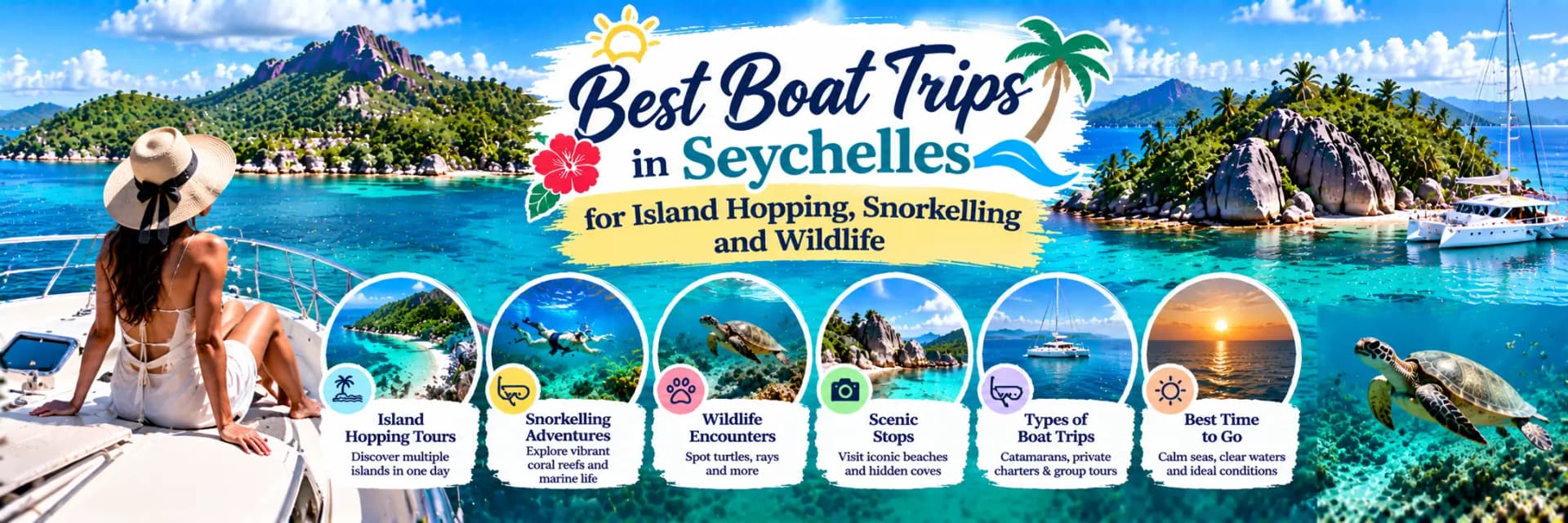
5 Best Boat Trips in Seychelles for Island Hopping, Snorkelling ...
Best boat trips in Seychelles for snorkeling, giant tortoises and island hopping. Compare destinations, park f...
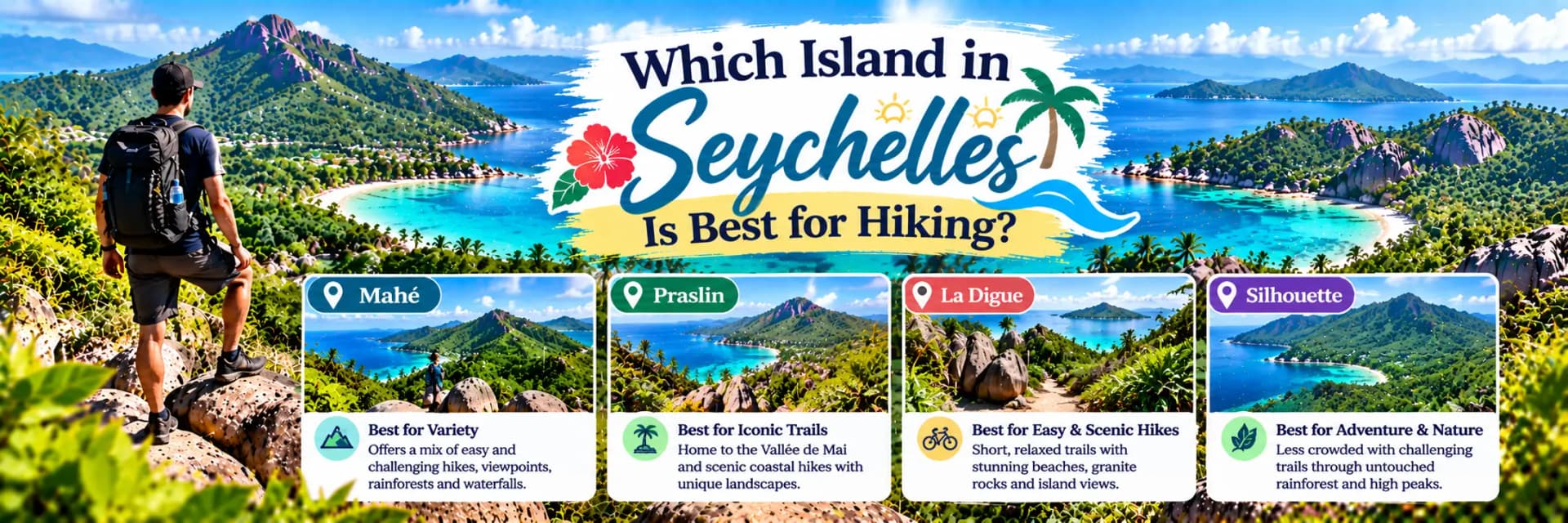
Best Hiking in Seychelles: 8 Trails, Views and Travel Tips
Explore 8 of the best hiking trails in Seychelles across Mahé, Praslin and La Digue. Compare difficulty, trail...
How Many Days Do You Need in Seychelles?
How Many Days Do You Need in Seychelles?
Recent Articles

Written and reviewed by our travel team
Researched and fact-checked by the specialists who plan and book these trips every week.
We confirm current prices, availability and travel requirements with you by phone before anything is booked.
Sources
Written from our own travel research and the trips our team books and services each week, plus traveller feedback from those bookings. Prices, availability and entry requirements change often — we reconfirm current details with you by phone before booking.
Ready to turn this into a trip?
Compare flights, hotels, cars and packages in one place — with transparent, all-in pricing and 24/7 expert support from first search to safe return.
 (877) 794-6004